
How Weather Changes Affect Your Skin’s Aging Process
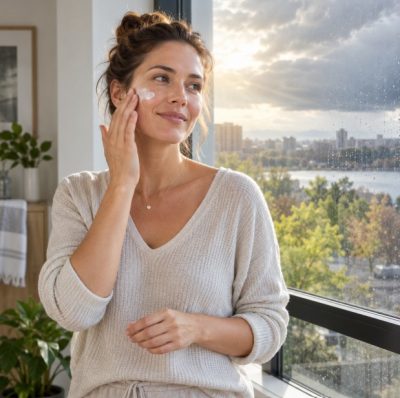 Your skin does not experience the same conditions every day of the year. Hot weather can bring stronger sun exposure, sweat, and increased oiliness, while cold air can leave skin dry and tight. Moving between humid outdoor conditions and air-conditioned or heated rooms can create another set of challenges. An aesthetic clinic in KLGCC mall can help assess how these environmental changes affect your skin and recommend suitable adjustments to your skincare routine.
These changes do not suddenly make skin age faster overnight. But repeated exposure to ultraviolet (UV) radiation, dry air, heat, and other environmental conditions can affect the skin barrier and contribute to changes in how the skin looks and feels. Understanding these effects can make it easier to adjust your skincare routine as the weather changes.
Sun Exposure Plays a Major Role in Skin Aging
Weather and skin aging are often connected through sun exposure. UV radiation contributes to photoaging, which is premature skin aging caused by repeated exposure to sunlight.
Over time, UV exposure can contribute to fine lines, wrinkles, uneven pigmentation, changes in texture, and reduced skin elasticity. UV exposure isn’t limited to hot summer days. Skin can still be exposed when temperatures are cool, or the sky looks cloudy.
That makes sun protection important year-round. Broad-spectrum sunscreen, protective clothing, hats, shade, and limiting prolonged exposure during periods of intense sunlight can all help reduce cumulative UV damage. You may need to reapply sunscreen during extended outdoor activities, especially after swimming or heavy sweating.
Hot Weather Can Stress the Skin
Higher temperatures affect skin in several ways. Heat can increase sweating and may make the skin feel oilier. For some people, hot weather can also worsen redness or irritation.
Sweat itself is a normal cooling mechanism. But when it mixes with oil, sunscreen, makeup, and environmental debris, it may contribute to clogged pores or irritation in people who are prone to these problems.
Heat may also increase water loss from the body, particularly when a person is active outdoors and not replacing lost fluids. This does not mean warm weather directly causes wrinkles. The larger concern is often the combination of heat and increased sun exposure. Spending more time outdoors during warm months can increase cumulative UV exposure unless you use adequate protection.
A summer skincare routine may therefore need lighter moisturizers, comfortable sunscreen formulations, and gentle cleansing to remove sweat and buildup without stripping the skin.
Cold Air Can Weaken the Skin Barrier
Cold weather creates a different problem. As humidity drops, the air contains less moisture. Indoor heating can make the environment even drier. These conditions may increase moisture loss from the skin, leaving it feeling rough, tight, flaky, or sensitive.
The outermost layer of the skin acts as a barrier that helps retain water while keeping irritants out. When this barrier becomes dry or disrupted, fine lines may appear more noticeable, even if they haven’t suddenly become deeper.
People often respond to dry skin by exfoliating it aggressively. But excessive use of scrubs, acids, or other exfoliating products can increase irritation when the skin barrier is already struggling.
During colder or drier periods, richer moisturizers and gentler cleansing may be more appropriate. Applying moisturizer while the skin is slightly damp can also help retain moisture.
Humidity Changes How Skin Feels
Humidity can noticeably affect skin comfort. In humid environments, moisture evaporates from the skin differently than it does in dry conditions. Some people find their skin feels softer in humid weather, while others experience increased oiliness, sweating, or breakouts.
Low humidity tends to be more challenging for people with dry or sensitive skin because it can encourage water loss from the skin’s surface. The solution is not necessarily to replace an entire skincare routine whenever humidity changes. Small adjustments may be enough. For example, someone using a heavy moisturizer during a dry season may prefer a lighter product when humidity rises. Paying attention to how the skin responds is usually more useful than following a rigid seasonal schedule.
Wind Can Increase Dryness and Irritation
Wind is another environmental factor that can affect exposed skin. Strong or persistent wind can contribute to moisture loss and may aggravate skin that is already dry or sensitive. Cold wind can be particularly uncomfortable because it is often combined with low humidity.
Covering exposed areas when practical and using a suitable moisturizer can help protect the skin barrier. People who use active skincare ingredients such as retinoids or exfoliating acids may also notice increased sensitivity during harsh weather. Reducing the frequency of irritating products temporarily may be appropriate if the skin becomes unusually dry or uncomfortable.
Indoor Climate Matters Too
Weather-related skin problems do not always happen outdoors. Air conditioning can reduce indoor humidity, while heating systems can create very dry conditions during colder months. Someone who spends most of the day indoors may therefore experience dryness even when the outdoor environment is humid.
Long, hot showers can add to the problem by removing some of the skin’s natural oils. Very hot water may feel soothing during cold weather, but shorter showers with lukewarm water are often less drying. A humidifier may help in particularly dry indoor environments, but it should be cleaned regularly according to the manufacturer’s instructions.
Should Aesthetic Treatments Change With the Seasons?
Weather can also influence when certain aesthetic procedures are planned.
Some laser treatments, chemical peels, and other procedures can temporarily make skin more sensitive or require strict sun avoidance during recovery. For this reason, a clinician may consider a patient’s lifestyle, expected sun exposure, and time of year when recommending treatment.
Aftercare is particularly important. Recently treated skin may need careful sun protection, gentle cleansing, appropriate moisturization, and temporary changes to active skincare products.
No single “best season” works for every cosmetic procedure. The appropriate timing depends on the treatment, skin type, medical history, local climate, and the patient’s ability to follow aftercare instructions.
Adjust Your Routine Instead of Fighting the Weather
Weather is only one part of the skin-aging process. Genetics, age, smoking, skincare habits, nutrition, hormonal changes, and cumulative sun exposure all influence how skin changes over time.
But you can account for environmental conditions. When the weather becomes hotter, your skin may benefit from lighter products and careful sun protection. During cold or dry periods, protecting the skin barrier and maintaining moisture may become more important. And when conditions change again, your routine can change with them.
Healthy skin does not require a complicated seasonal overhaul. Consistent sun protection, gentle cleansing, appropriate moisturization, and sensible use of active ingredients provide a strong foundation. Then, small adjustments based on climate and how your skin responds can help keep it comfortable and protected as the seasons change.